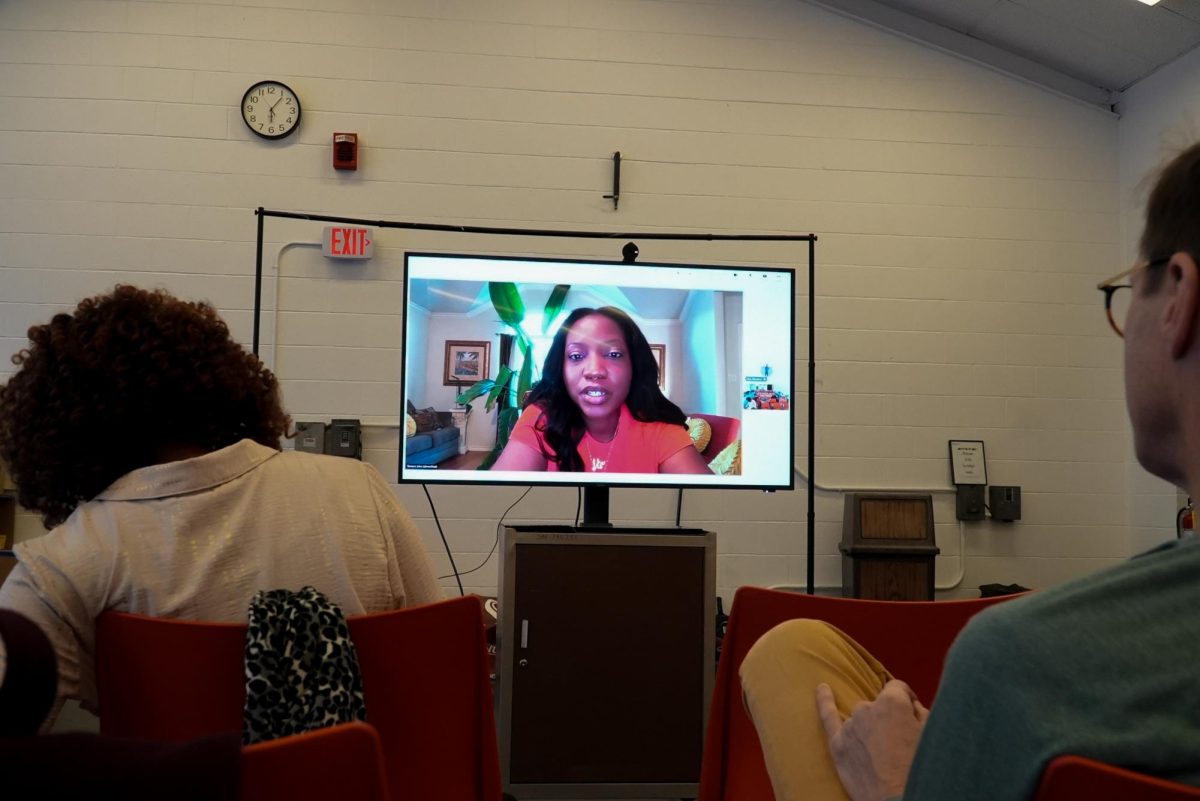
Southern Illinois University Housing on Jan. 29 hosted a chance for students in the College of Arts and Media to speak with SIU alumna Tamara John who now navigates a rapidly changing industry job as an unscripted reality television producer.
John was invited by university housing staff to speak with students over Zoom as an opportunity to boost the benefits of a living learning community, where students are housed with others who share a similar major, identity or lifestyle, by connecting students to someone who currently works in a field they plan to pursue.
Advertisement
She was asked a variety of questions by students who were interested in knowing how she manages her schedule as a traveling producer and what she would have done differently on her journey to success.
John first got interested in arts and media in high school. During her senior year, she took a trip back to her homeland of Trinidad and videotaped her trip as a way to educate her peers in a fun way about her home. She found a love for video production and finalized her decision during her freshman year at SIU to pursue a career in television production.
When asked what advice she would give students who were still undecided about their career, she encouraged them to tap into what is important to them and what their motivations are for their future, whether it be for monetary gain or personal enjoyment.
Advertisement*
John also addressed questions about the concerning shift in the media industry regarding artificial intelligence and past writer strikes. She said the last two years have been particularly significant concerning changes and job security; fewer projects being greenlit, industry mergers going under and the increasing use of AI influencing companies to cut corners.
“There used to be constant work,” John said. “Now there are gaps, and it’s forcing people to be more creative, but there will always be a need for content. That shouldn’t scare you, it means there will always be a market.”
She recognized that the writer’s strike was strongly driven by the use of AI in scripting. Once over, not everyone was able to return to their jobs in the studio, many of which had been replaced with it.
She said her solution to the fight against AI was one of acceptance. She said she does not appreciate the replacement of writers with technology, but she encourages people to not fight it. Instead she says it is better to use it as a tool. It was something that was made and people found it to be such a use that it’s here to stay.
“AI is something you have to learn and embrace, everyone is using it, and if you don’t then you’ll be left behind,” John said.
With the mention of AI, she cautioned students to read through contracts carefully, noting that some agreements may lead to signing over the right to digitally convert and render voice to speech using AI technology for the studio’s own benefit.
The subject was changed and John was asked to reflect on her time at SIU and think about what she would have done differently on her journey. Her response was to have been more of a collaborator and spent more time looking for opportunities to pursue hands-on field experience as a student.
She mentioned her first step into production was when she dragged her father to an audience call with the intention of talking to the team and getting advice on where to start. She ended up speaking to a production coordinator who offered her an unpaid position as production assistant. She learned how to speak walkie language on set and used that on her resume when applying for jobs through a freelance website.
She said having that kind of on-set experience, just knowing how to communicate over a radio can help you appear experienced and qualify as a good candidate.
John’s experience landed her in her first freelance position as an associate producer in 2013 after the production company she had been working for shut down. Her patch to major productions was pathed by persistence, networking and willingness to be a collaborator.
As a freelance producer, John said there is no such thing as a typical day. Shoots are scheduled, but casting is unpredictable. Schedules can change at any moment from availability, filming permits or unforeseen circumstances.
She described how she is able to manage multiple teams over the course of a season’s shooting time. As a producer and leader, she must be able to manage the personality of her cast as well.
“You’re managing storylines, schedules, their egos and many different factors,” John said. “You have to stay on task and work around it to deliver.”
Her favorite projects to have successfully delivered were the first season of “Love Is Blind” and “Hitmakers,” both popular Netflix reality television shows. She said they were challenging and rewarding works to her that created the productive collaborative spaces that she needed.
John closed the panel by reminding students to not compare their journey to that of others and to seek what they need for their future.
“You’re on your own path,” John said. “Be curious and ask questions, don’t try to do everything alone. This industry is built on collaboration.”
Staff reporter Carmen J. Tapley can be reached at [email protected].
Advertisement