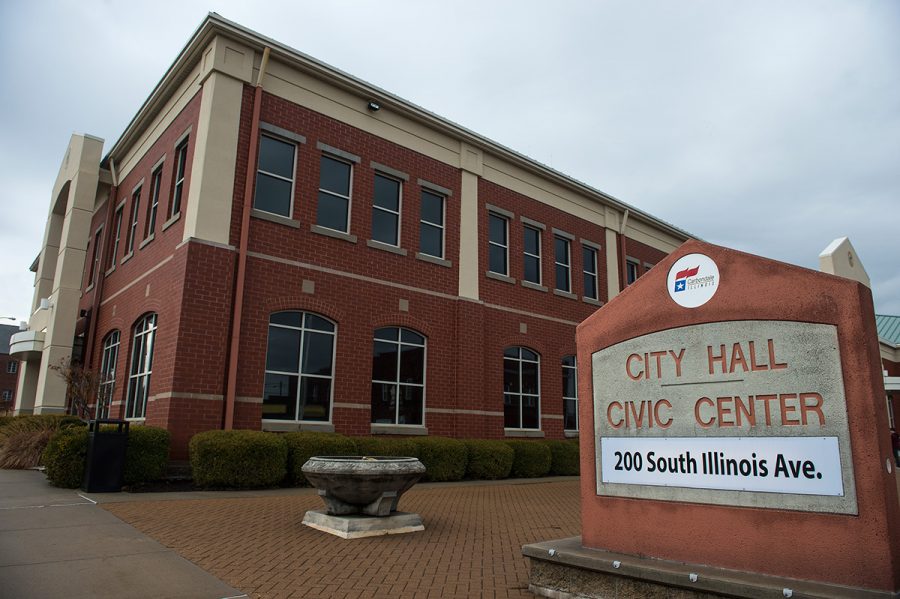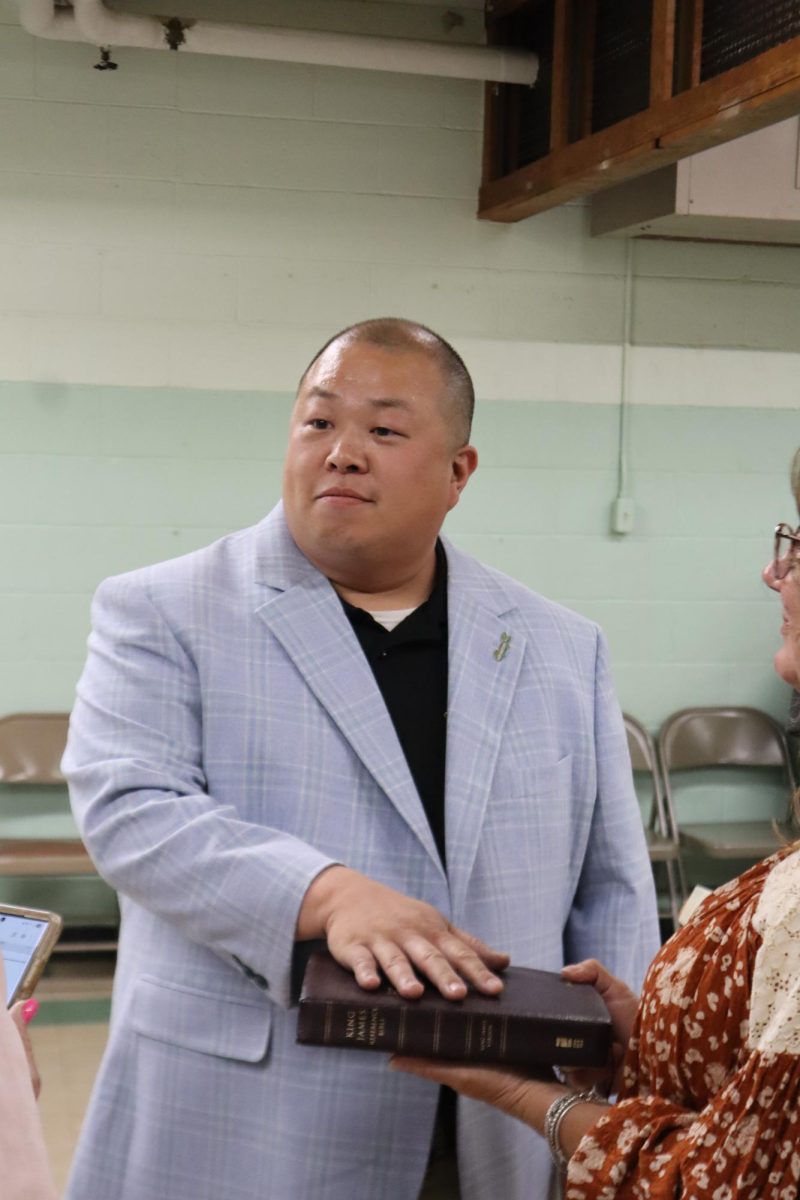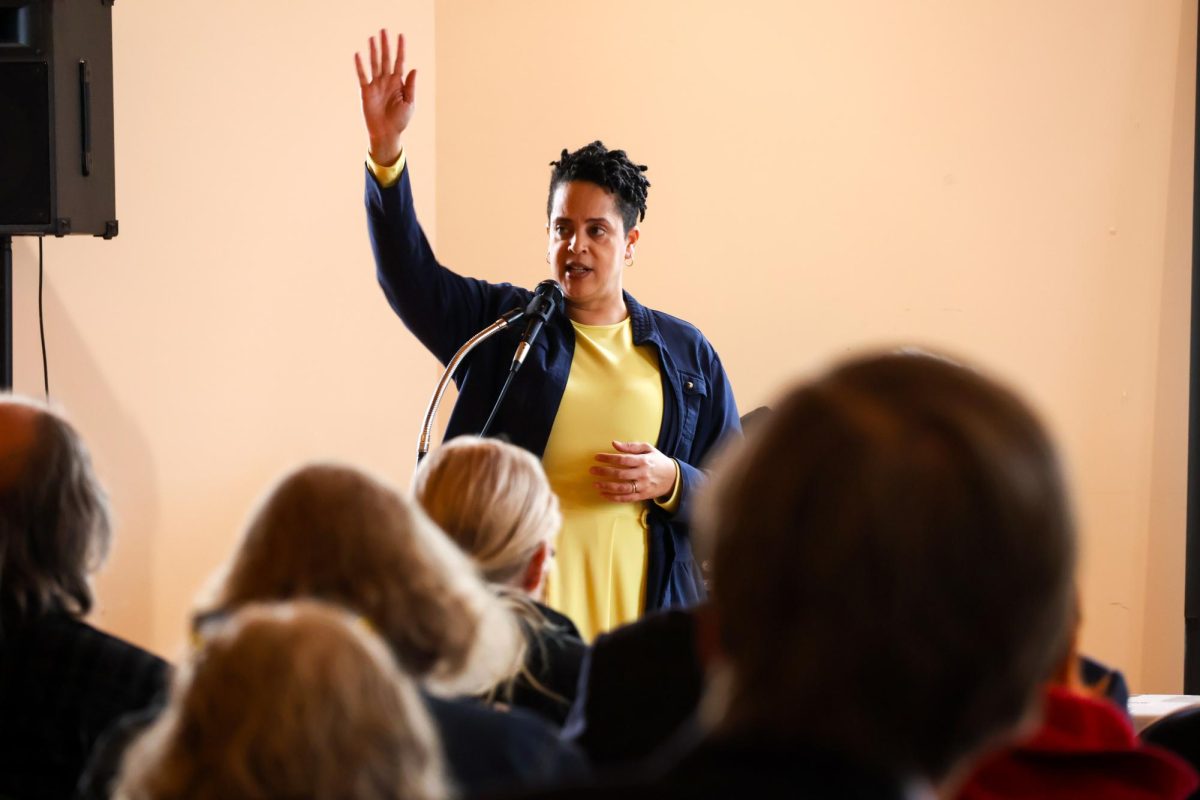
A listening session was held by the Illinois Office to Prevent and End Homelessness on Feb. 18 at the First Presbyterian Church in Carbondale. Different people from all walks of life, state representatives, city council members, local non-profits and citizens attended the meeting and voiced their concerns on reliable data, assistance barriers and mental health for the homeless community.
Other listening sessions were previously held in both Alton and Springfield to address homelessness in southern Illinois.
Advertisement
This office was created by an executive order issued by Gov. JB Pritzker in 2022, seeking to focus on efforts to increase the resources and conditions for those who experience homelessness with state resources to assist these communities.
In 2023, Pritzker signed a bill to ensure the office stayed even after his term, and would also require from the office an annual report on the progress they had made.
The listening sessions were led by the Chief Homelessness Officer, Christine Haley, who said the most recent annual report on homelessness in Illinois.
Advertisement*
“In 2024, 25,787 people experienced homelessness on any given night across Illinois,” Haley said.
Haley shared that there is a large racial disparity in the homeless population. In Illinois, Black individuals are eight times more likely to experience homelessness than their white counterparts. This is twice the national average.
Haley also said that The Department of Homeless Services granted Good Samaritan Ministries $150,000 to keep the warming center open 24/7 for the rest of the year.
The state’s plan for homelessness includes four pillars: affordable housing support, safety nets, financial stability and closing the mortality gap between housed and homeless residents.
“Addressing homelessness is a collective effort across communities,” Haley said
The information the office has received from these listening sessions will be discussed on the state level on March 11. Individual departments will be required to implement the agreed upon changes on July 1.
Carbondale City Council member Nathan Colombo said that the city is not the only group trying to help the growing homeless population.
“It would be helpful to have a clear needs assessment from the state with expertise to direct us where we should go at a local level,” Colombo said.
“The city tries to be a good partner to the many various players trying to address homelessness,” Colombo said.
Colombo said that as of right now, there’s no full picture to address homelessness correctly, based only on estimates from different sources.
Haley also discussed how the office only had the January 2025 data on how many homeless people were in Carbondale. The delayed information on population counts contributes to this confusion.
Several people during the listening session alleged that other representatives from nearby communities drop off homeless people in Carbondale. This could mean the data isn’t entirely accurate.
While Carbondale has three mental health advocates in the police department, another main complaint was that it wasn’t enough.
“People on the street need help. It’s time for Illinois to invest in mental health instead of shunning it,” Adam Ware, a local resident, said.
“As we begin to see what future resources look like in Carbondale, it’s clear that those resources should have low access barriers to ensure as many people can be served as possible,” Colombo said, referring to how existing shelters and support systems in the area may rely on completely clear drug tests, cannabis – which is legal in Illinois.
Verlinda Newton, a pastor at Eagle Nest Watch Ministry in Carbondale, was also in attendance. She discussed how she spends a lot of time in the local homeless encampments speaking to the people there.
“When something happens, they want someone to be there for them. Some of them aren’t comfortable going into churches,” Newton said.
Newton suggested that the homeless receive a church to call their own, and others suggested a centralized location for homeless individuals to get what they need.
“The city doesn’t have many resources, but our ability to be a focal point for coordination is reasonable. Being a leader in coordination is a possible way forward,” Colombo said.
News Reporter Orion Wolf can be reached at [email protected] or orionwolf6 on Instagram
Advertisement