Editor’s note: This story has been updated from the original to add more quotes from Mike Bost.
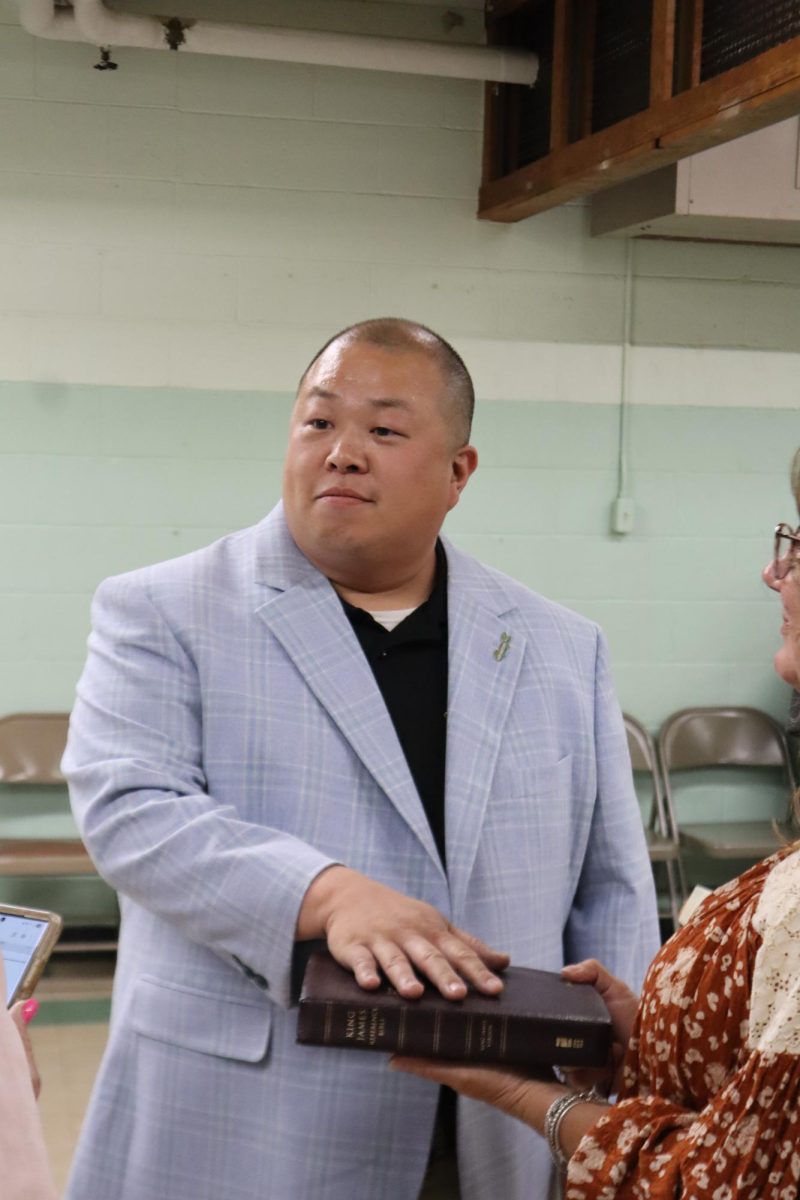
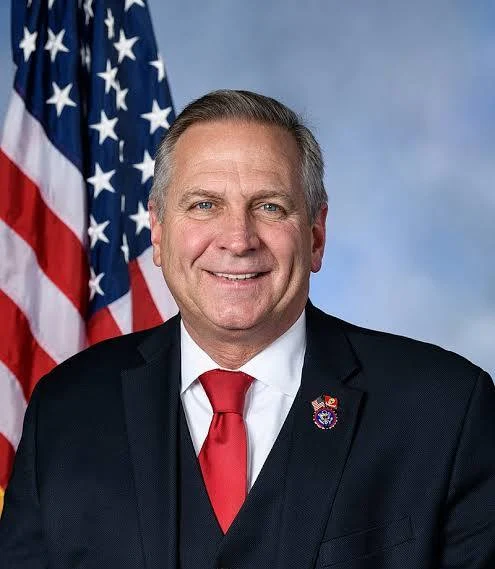
The U.S. Supreme Court ruled on Jan. 14 that Mike Bost, the Republican Congressman from Murphysboro, had clear standing to challenge Illinois state election laws in regard to mail-in voting.
The current law states that as long as the ballots are sent and labeled before Election Day, the ballot will still be counted up to two weeks after the election date.
Advertisement
Bost referred to this as “unconstitutional” in his statement on the Supreme Court’s ruling.
“This is a critically important step forward in the fight for election integrity and fair elections. I look forward to continuing to pursue this case as we navigate the next stages of the legal process,” Bost said.
According to court documents, Bost said that ballots being allowed to be counted for a full fourteen days after Election Day would cost his campaign money and time if he had to hire poll watchers to monitor ballots for another two weeks. He also claimed that if “illegal ballots” were introduced into these mail-in ballot batches, his margin of victory would be smaller and his public image would suffer.
He said, “With the American people’s confidence in our elections at a discouraging low point, it’s more important than ever that we work to restore their trust.”
The lawsuit is meant to be a “big part” of that effort. He said, “Federal law is not simply a suggestion, and we cannot continue to allow ballots without a postmark to arrive and be counted weeks after Election Day.”
The suit was originally filed in 2022 by Bost, and two Republican presidential elector nominees, Laura Pollastrini and Susan Sweeney. It was rejected by the lower courts from the state of Illinois.
William Freivogel, a journalist who covered the Supreme Court as the assistant bureau chief in Washington D.C. for the St. Louis Post Dispatch, discussed potential effects this ruling could have, such as more election lawsuits and more election results being challenged.
Advertisement*
“That [the election law] is good as far as giving people who have trouble getting to the polls a chance to make sure that a ballot they have postmarked by the Election Day is counted, but it does leave the election results uncertain for a period of time,” Freivogel said.
This could inconvenience a candidate and mail-in ballots could turn an election. However, the constitutionality of such a law remains unclear.
As for what will happen with mail-in ballots, Freivogel said, “You can’t really tell from this Supreme Court decision how they will rule on whether or not the election law is valid.”
The 7th U.S. Circuit Court of Appeals, the lower court that represents Illinois as well as Indiana and Wisconsin, ruled that political candidates did not automatically have a reason to sue because they were political candidates or because they utilized campaign resources to hire poll watchers to monitor ballots that arrived after Election Day.
“To be able to file a lawsuit in federal court, you have to have something that’s called ‘standing.’ It requires showing that you have a particular interest in how the law is interpreted,” Freivogel said.
The lower court did not find that Bost had such standing. Bost was granted a writ of certiorari, a request that the case be reviewed again by a higher court — the Supreme Court — who then heard his case.
The Supreme Court did not rule on whether or not the election law was valid, only that political candidates had standing to challenge election law before elections occur.
In the documents expressing the opinion of the court after the Supreme Court made their decision, Chief Justice John Roberts wrote, “Premising standing on a candidate’s risk of election loss or failure to achieve a certain vote threshold could channel many election disputes to shortly before election day — or worse, after.”
As the Supreme Court decision forces the suit back to the 7th U.S. Circuit Court of Appeals, it is unclear what the widening impact of Bost’s suit will be.
“The eventual decision on Illinois law and how to count mail-in ballots will be important,” Freivogel said.
Staff Reporter Orion Wolf can be reached at [email protected] or orionwolf6 on Instagram.
Advertisement